
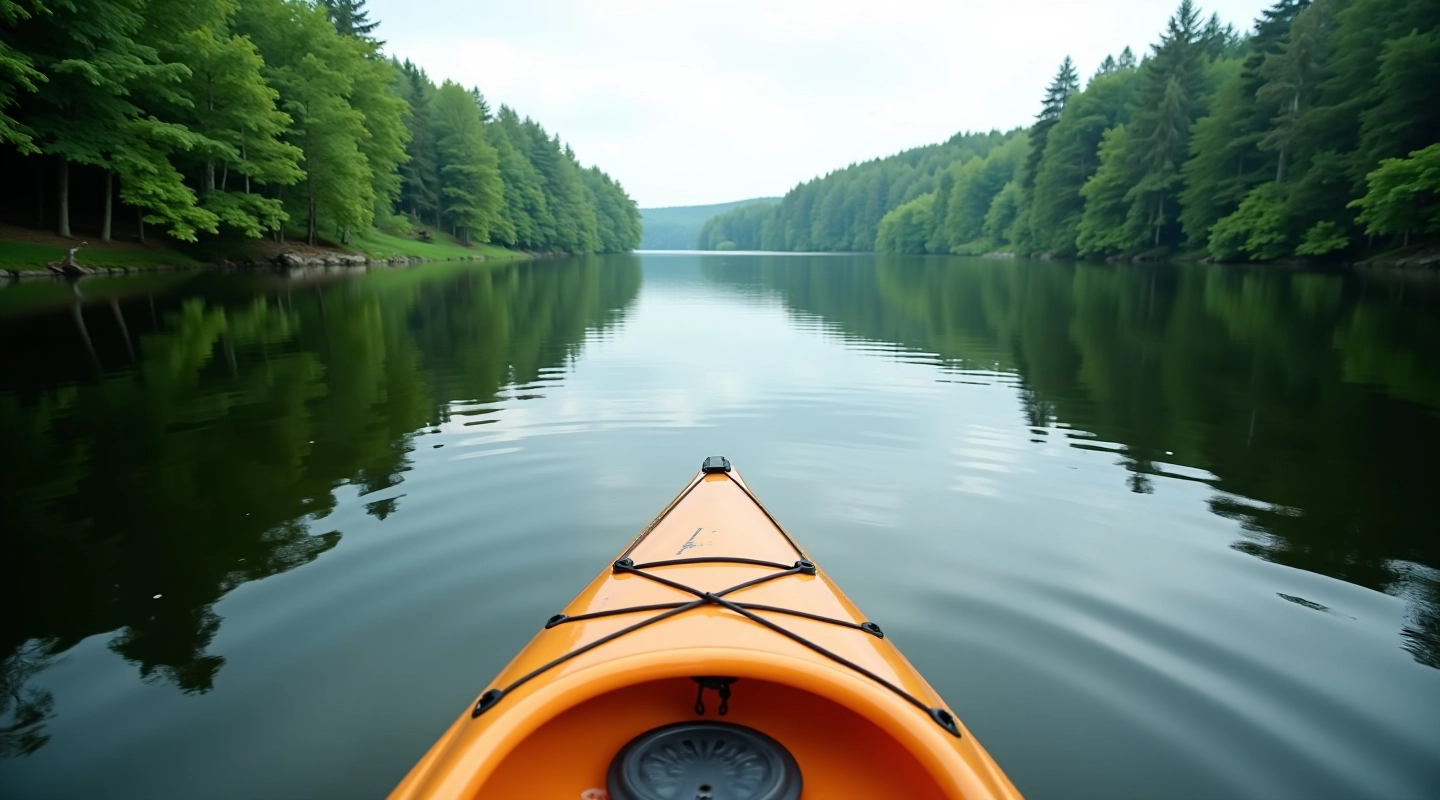
Getting Started with River Kayaking
Essential skills and safety tips for your first day on gentle river waters. We cover paddle basics, launching techniques, and what to expect.
The checklist every paddler needs. Water, sun protection, emergency gear, and snacks — nothing you'll forget once you've read this.
Written by
Editorial Team
Focused on honest, practical guidance for river kayaking day trips.
You're heading out on the water for six, seven, maybe eight hours. It's not just a quick paddle around the dock — you're covering distance, stopping for lunch, dealing with sun exposure, and staying comfortable the entire time. Thing is, most people pack either too much or forget something critical.
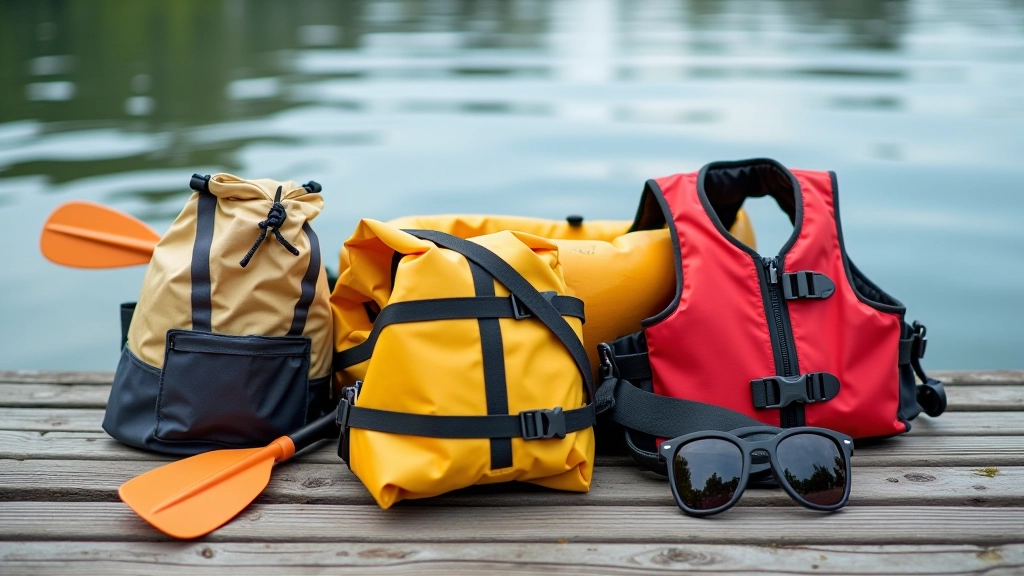
We've watched paddlers arrive unprepared, then spend the day uncomfortable or actually unsafe. The good news? A solid packing strategy isn't complicated. It's just organized. You'll want water and electrolytes, sun and wind protection, emergency items you hope you won't need, plus snacks that actually work in a kayak. We're going to walk through exactly what goes in your dry bag and what you can safely leave behind.
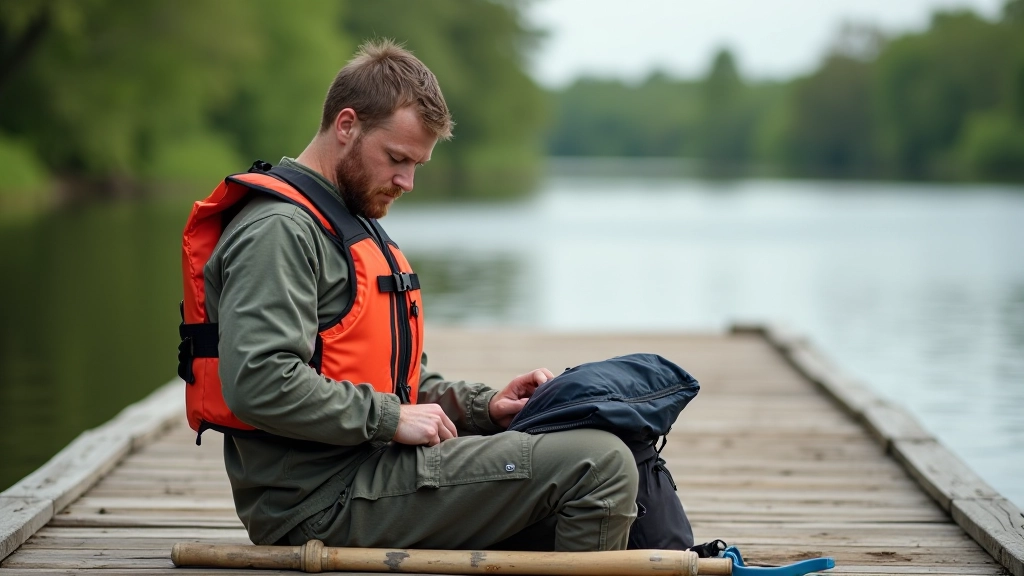
There's a difference between "nice to have" and "you actually need this." Water tops the list — not optional, not negotiable. You'll lose fluids faster than you think, especially if the sun's strong or you're paddling upstream. Bring at least two liters. Most paddlers use a combination of bottles and a hydration bladder in a dry bag.
Your life vest stays on the entire time — that's non-negotiable, not a packing choice. But everything else goes into your dry bag, secured to the kayak. Don't rely on a backpack floating somewhere; anchor it properly.
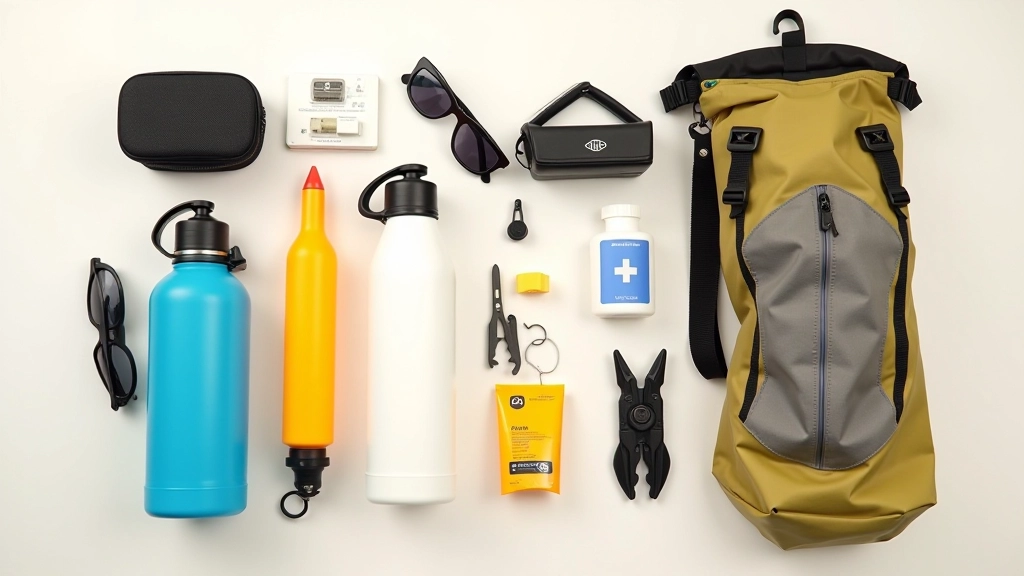
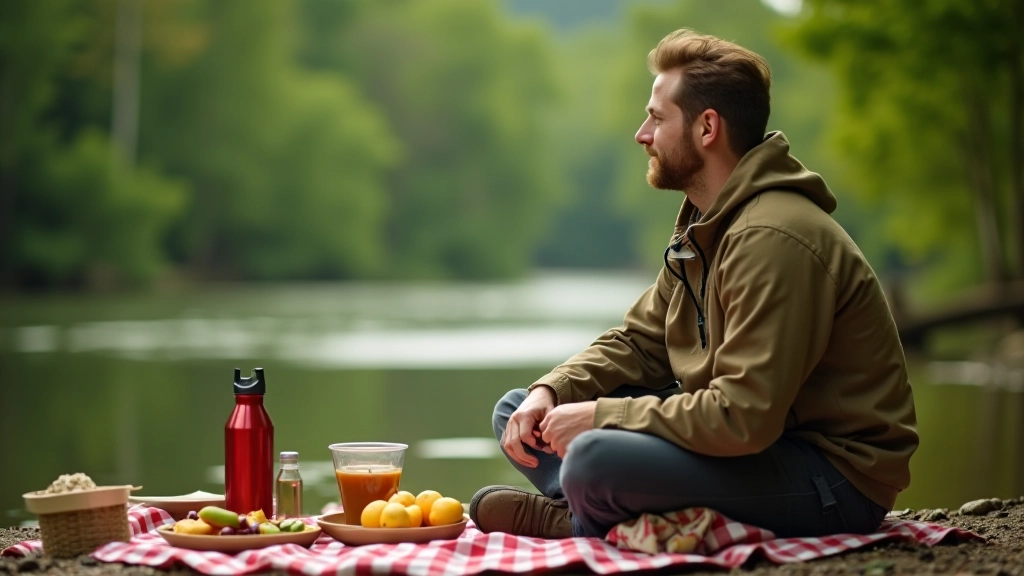
After water and safety gear, comfort items keep you going. Energy comes next. Pack snacks that won't get soggy or spoil — nuts, dried fruit, granola bars, energy gels. Skip heavy sandwiches; they're awkward in a kayak. You'll want quick calories you can eat while paddling or during a brief stop.
Think "grab and eat." Trail mix works better than a full lunch. Energy bars take seconds to unwrap. Dates or dried apricots are lightweight and give you real energy. Pack these in a small waterproof container so they're accessible without opening your main dry bag.
Bring extra clothes in your dry bag — not to wear while paddling, but for when you stop. A fleece or thin jacket makes a huge difference if the wind picks up or you get wet. Wet feet get cold fast, even on warm days. A spare pair of socks takes up almost no space.
A headlamp or small flashlight is worth including, especially if you're paddling into early evening. It's not about getting lost; it's about visibility to other watercraft and being able to deal with gear if you need to stop unexpectedly.
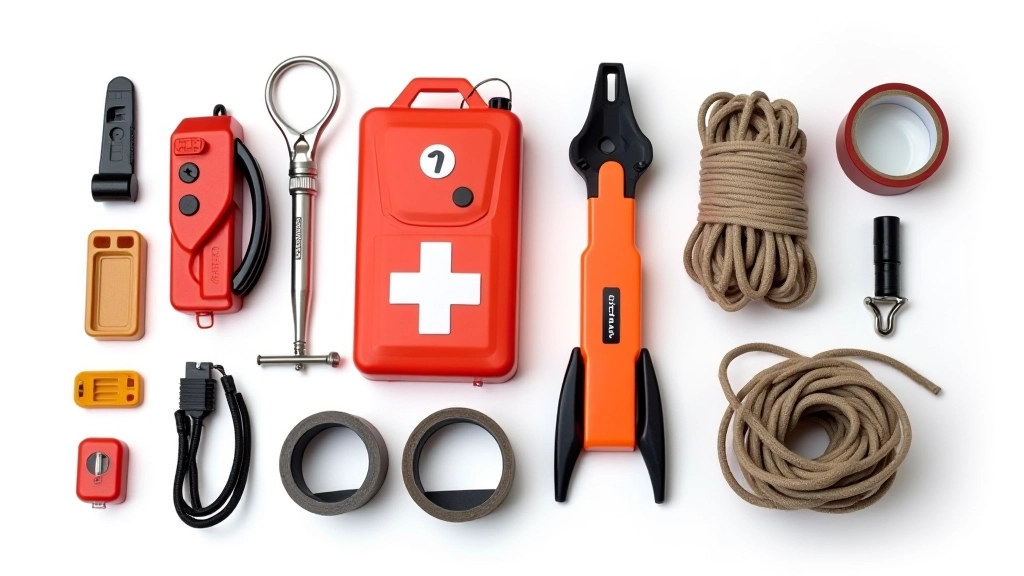
A full day on the water means you're far from help for extended periods. Your emergency kit isn't paranoia — it's responsible paddling. Start with a basic first aid kit: bandages, pain relief, antihistamine, blister treatment. Add waterproof tape and gauze pads. Include tweezers for splinters.
A whistle (Coast Guard approved), mirror for signaling, and a headlamp. These items weigh almost nothing but can be critical if something goes wrong. Your phone is in a waterproof case — that's your main communication tool.
A small kit with duct tape wrapped around a pencil (saves space), patching material for your kayak if it's plastic, and a rope. Knowing how to secure something or make a temporary repair can turn a bad situation manageable.
Don't overthink this. You're paddling on a river in a national park, not crossing an ocean. But carrying these items shows respect for the water and for yourself. Most paddlers never need them — and that's exactly the point.
Weight distribution matters more than you think. Heavier items go low and centered — water bottles, first aid kit. Lighter stuff goes on top — sunscreen, snacks, extra clothes. Your dry bag should feel balanced when you pick it up.
A quality dry bag (20–30 liters) is worth the investment. It'll last for years and keep everything dry even if you tip. Cheap bags leak. Test it before your trip.
Bottom layer: water bottles and heavy items. Middle: clothes, snacks, first aid. Top: items you'll grab frequently like sunscreen or a snack container.
Use a carabiner or rope to attach your bag to the kayak. It shouldn't slide around or come loose. If you tip, you want your gear with you, not floating downstream.
Your kayak should sit level in the water, not tilted forward or back. An unbalanced load makes paddling harder and handling sluggish. Adjust until it feels right.
Don't pack your bag the night before and assume it'll work. Load it in your kayak, float it in shallow water, and make sure it feels stable. Small adjustments now prevent problems on the water.
A full day on the river is incredible. You're moving through natural landscape, covering real distance, and disconnecting from the usual noise. The difference between a good trip and a great one? Preparation. You'll paddle further, stay more comfortable, and actually enjoy yourself when you've packed smart.
Use this checklist, adjust it for your own needs, and you'll quickly develop your personal system. Every paddler's bag is slightly different — that's normal. The important part is being intentional about what you bring and why. Start with the essentials, add comfort items that work for you, and never skip the safety gear.
Now go paddle. You've got this.
This article provides educational information about kayaking preparation and packing recommendations. Individual circumstances, skill levels, and water conditions vary. Always follow local regulations, wear an approved life vest, check weather conditions before paddling, and consider taking a certified kayaking course. This guidance doesn't replace professional instruction or consultation with experienced paddlers familiar with your specific waterway. River conditions change seasonally — research current conditions for your intended paddling location.
Continue your river kayaking journey with these articles
Essential skills and safety tips for your first day on gentle river waters. We cover paddle basics, launching techniques, and what to expect.

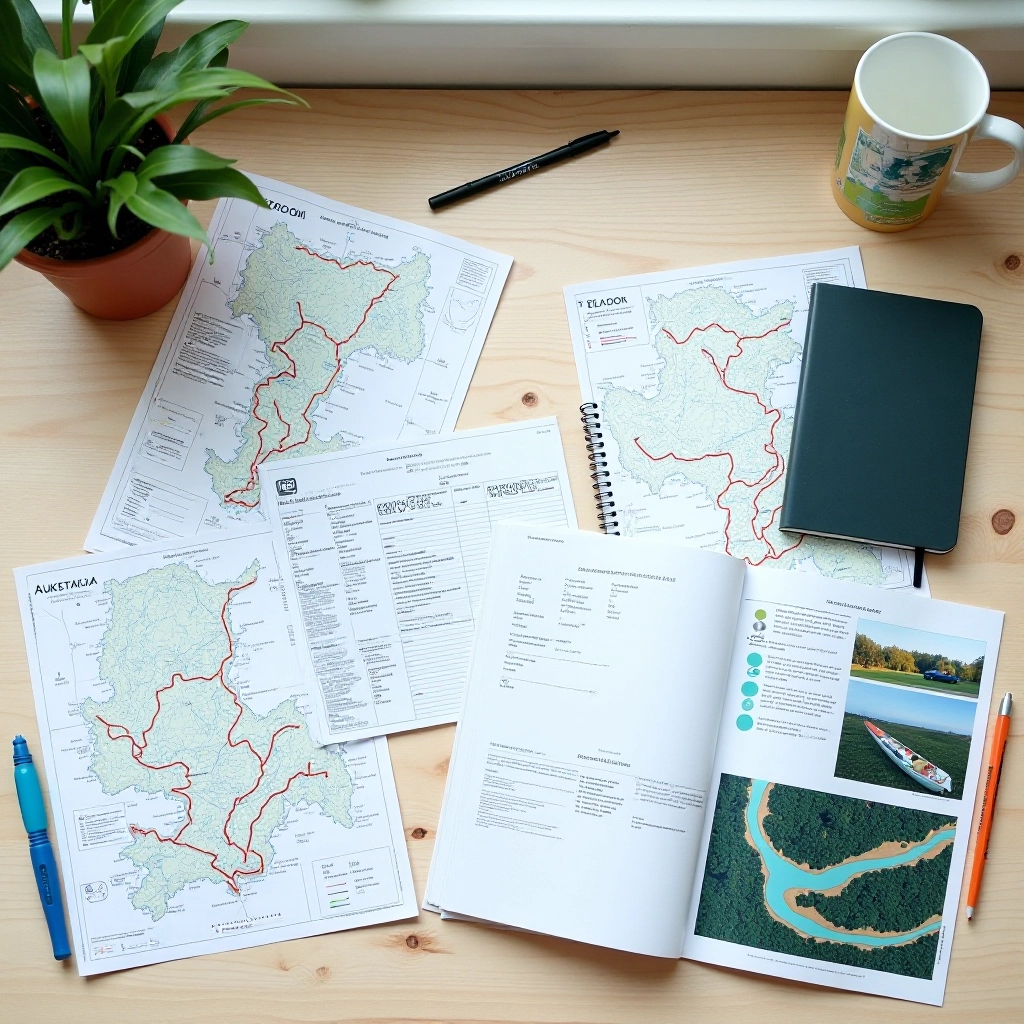
Five perfect spots along Aukštaitija routes where you can pull up, rest, and enjoy a proper break. Easy landing, clean water, and scenic views.
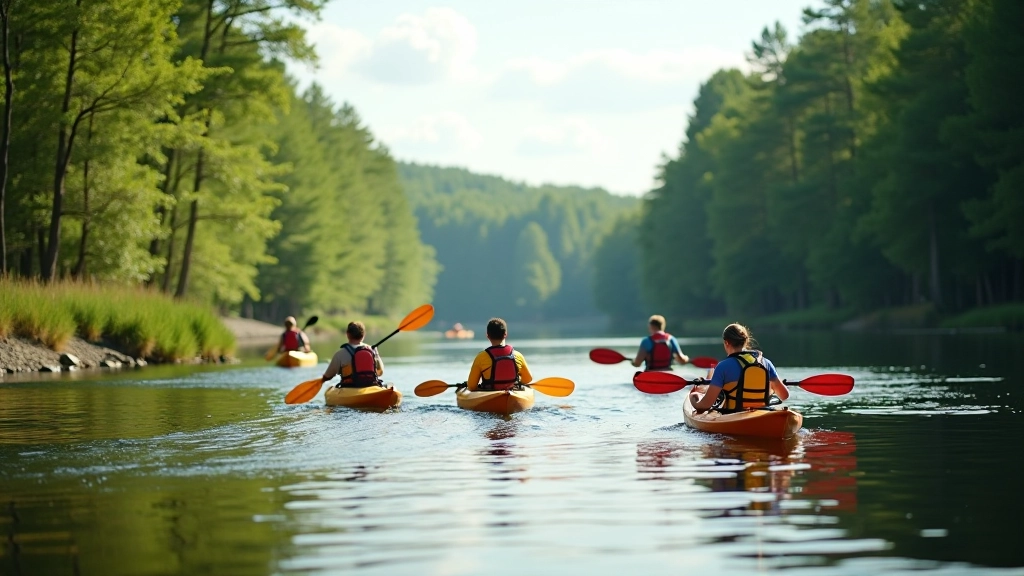
Master the forward stroke, turning, and braking without exhausting yourself. Real techniques from experienced paddlers that make a difference.