
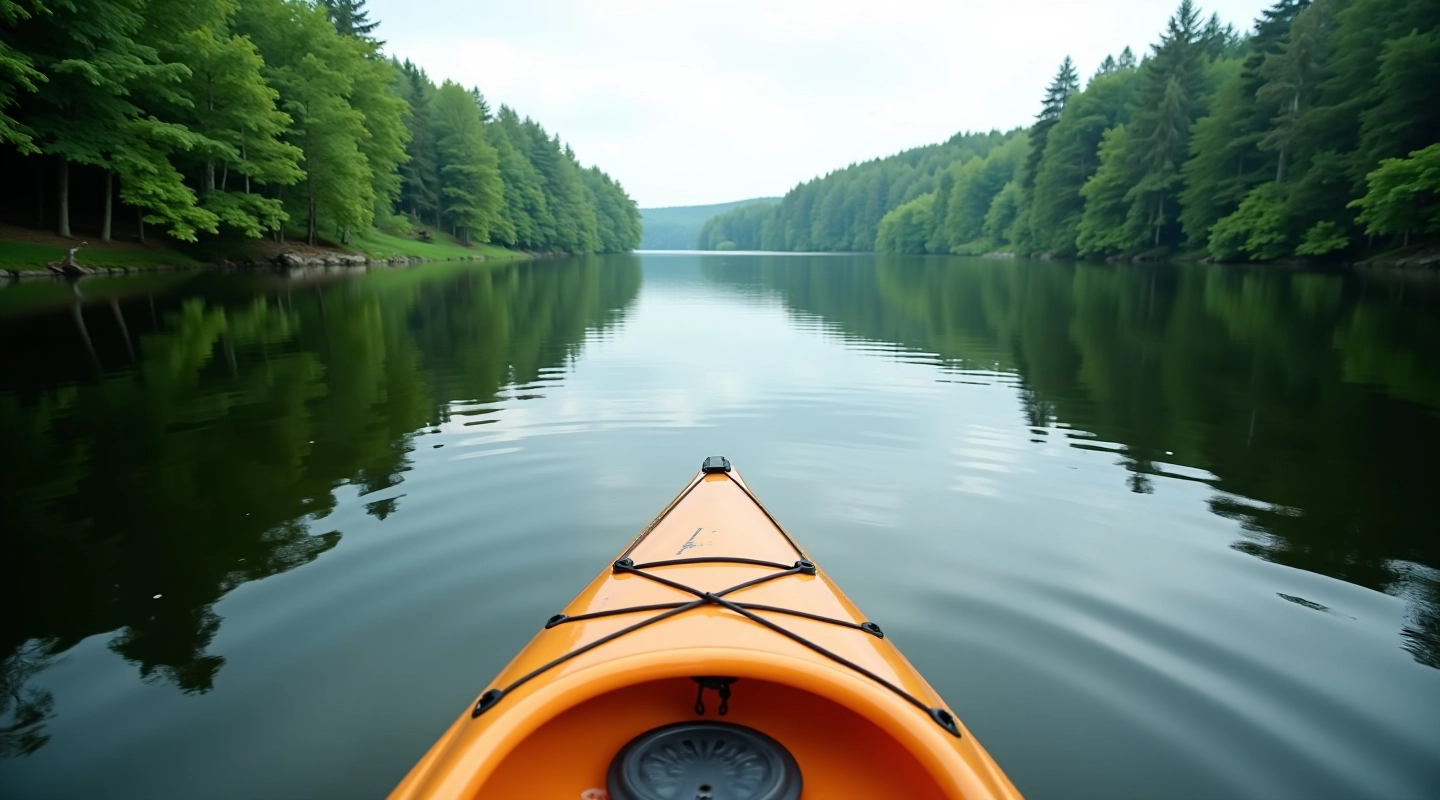
Getting Started with River Kayaking
Essential skills and safety tips for your first day on gentle river waters. We cover basic strokes, what to wear, and how to pick the right conditions.
Read GuideFive perfect spots along Aukštaitija routes where you can pull up, rest, and enjoy lunch with scenic views.
Written by
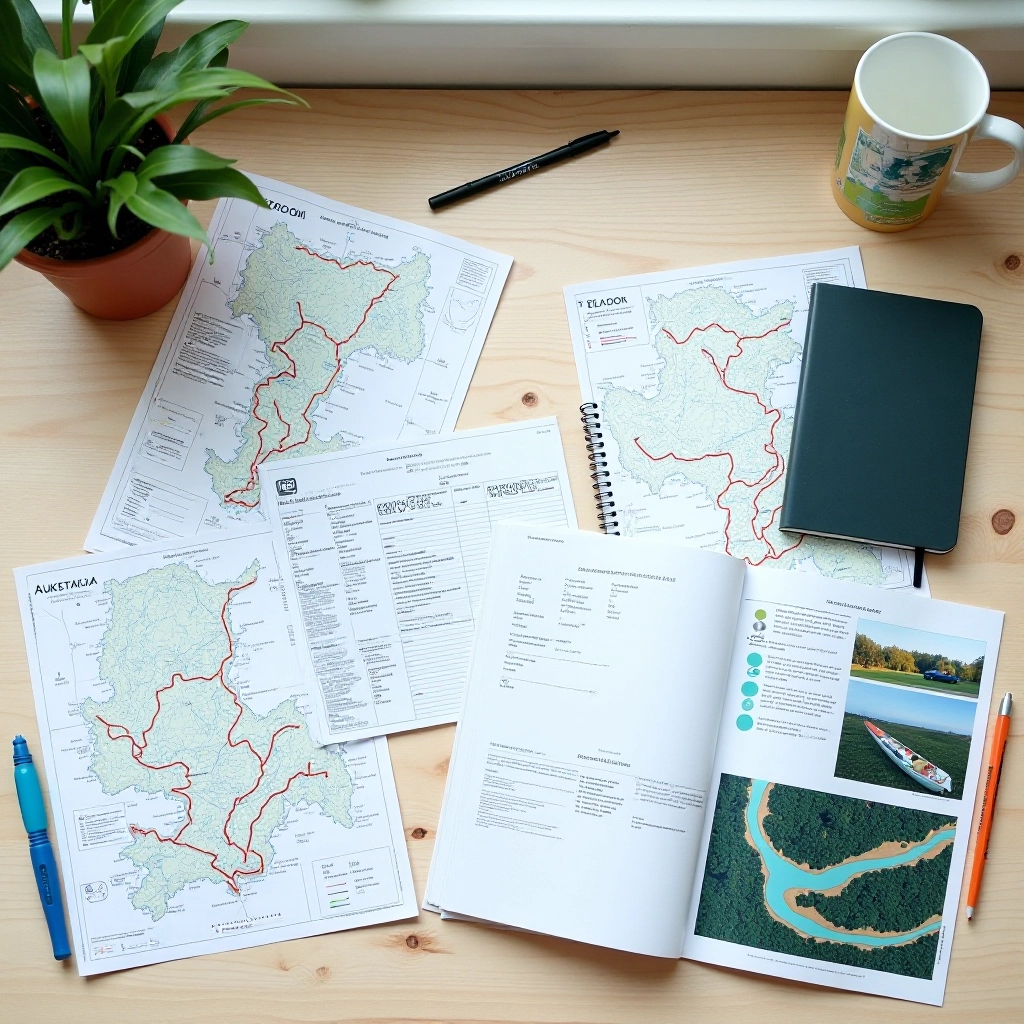
Written by the brixovia editorial team, focused on honest, practical guidance for river kayaking day trips.
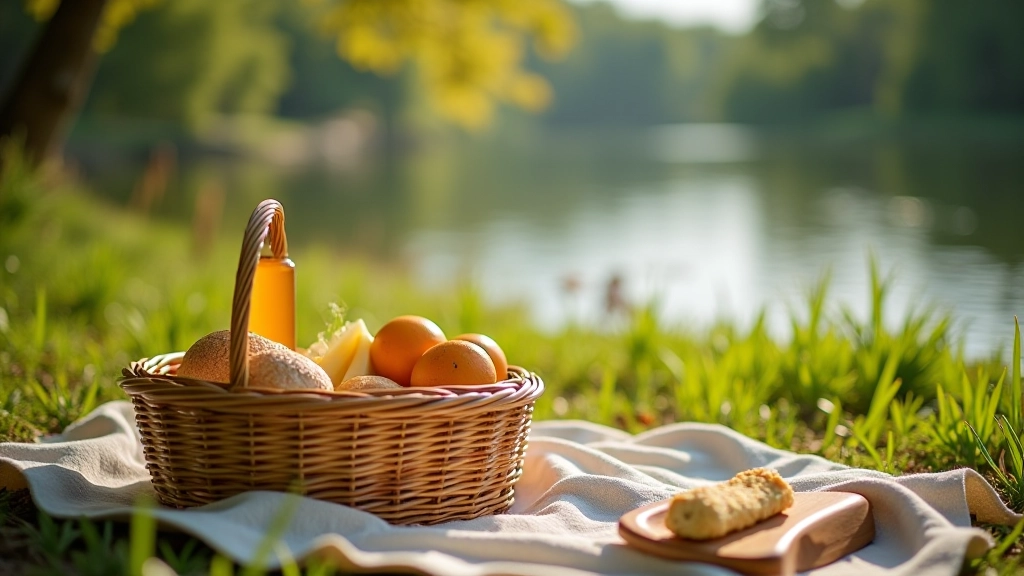
A long paddle works best when you've got solid places to stop. It's not just about refueling — it's about finding spots where you can actually relax, stretch your legs, and take in the landscape without fighting to keep your kayak stable on the shoreline.
We've spent seasons exploring Aukštaitija routes and tracking down the spots that work. Some have sandy beaches. Others have nice grassy banks or rocky outcrops perfect for sitting. All of them give you the space and views that make a day trip feel complete.
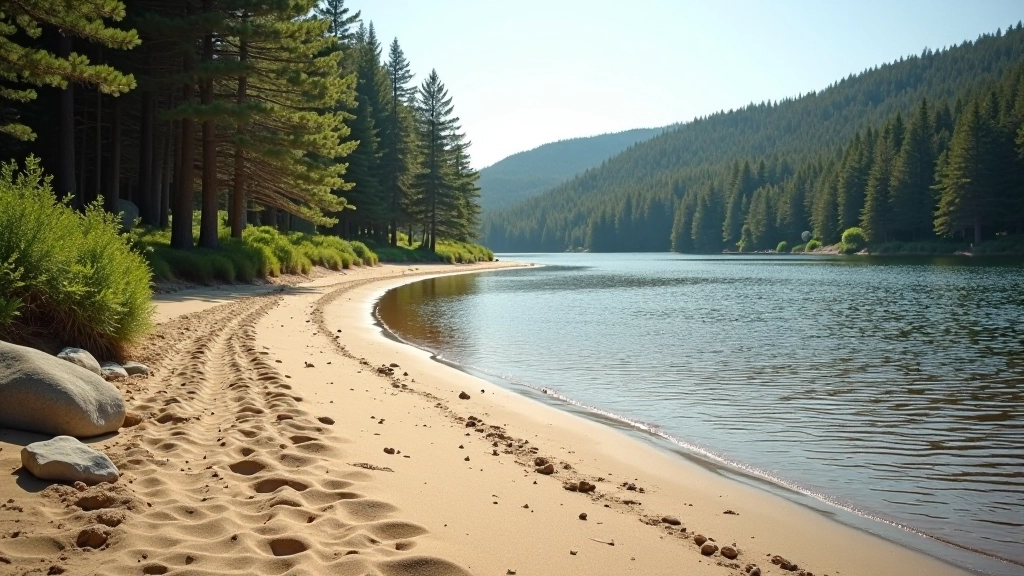
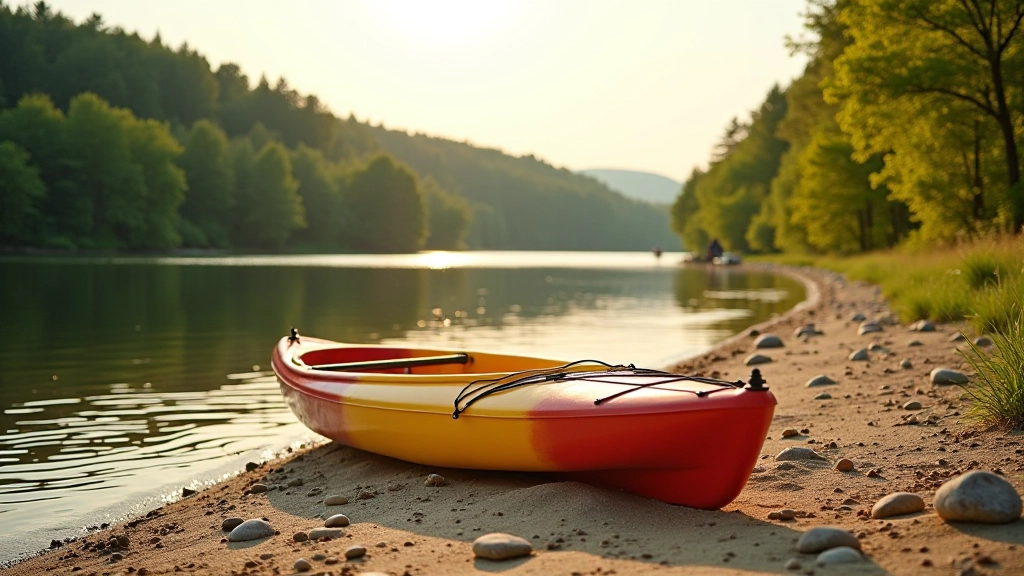
This is probably the most obvious stop along the middle section of Salinė River. It's about 4 kilometers downstream from the main launch point, so you'll get there in roughly 45 minutes of steady paddling.
The beach itself runs about 80 meters along the bank — plenty of room even if there's another group already there. The sand is fine, not rocky. You can pull your kayak right up and it won't shift under the weight. The water's shallow enough that you can wade in without dropping off suddenly, which matters if you want to rinse your hands or refill a water bottle.
What you'll notice: The sun hits this spot hard in summer. Bring sunscreen and don't plan to sit in full exposure for hours. There's some pine coverage on the upper bank if you want shade, but you're not looking at dense forest here.
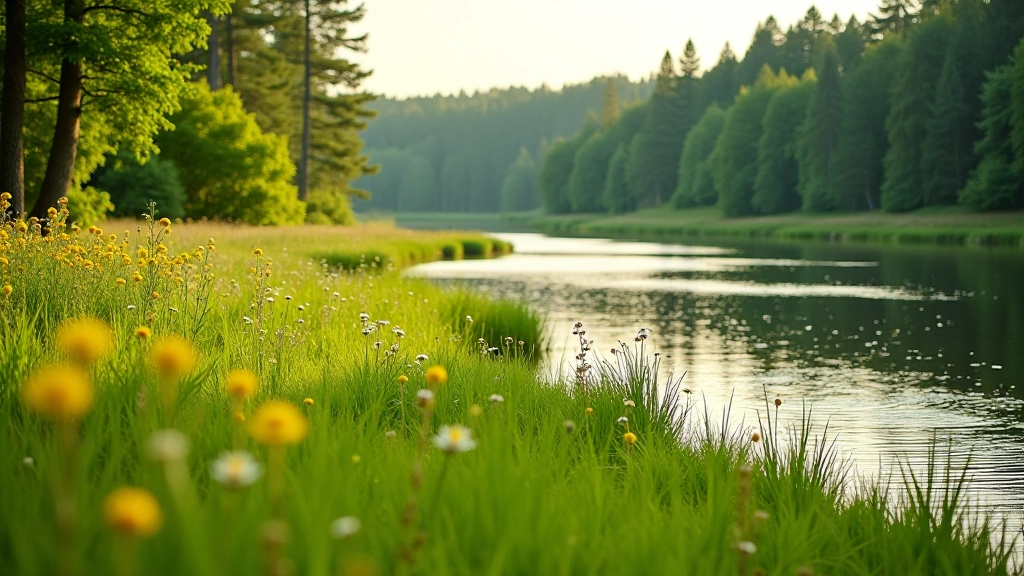
If you're after the full picnic experience — actual sitting, unpacking food, maybe a proper rest — Žeimenos Meadow is your stop. It's roughly 8 kilometers from the launch, so plan for about 90 minutes of paddling to get there.
The meadow slopes gently up from the water, so you're not scrambling up a bank. The grass is maintained enough that it's comfortable to sit on, but wild enough that it doesn't feel manicured. There's a small stream entering the main river here, so you can refill water bottles if you filter or boil them first.
The real advantage: birch trees ring the meadow. You get genuine shade without feeling hemmed in. Most days you'll have the place to yourself unless it's peak summer weekend. The paddling here is easier too — slower current, fewer rocks — so you'll arrive less tired than you would at other stops.
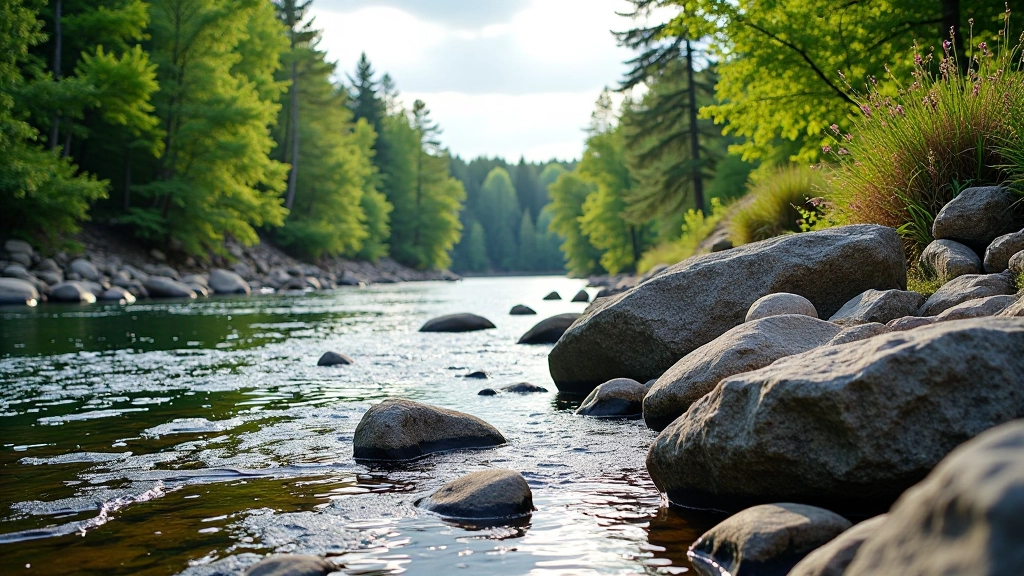
This one's a bit further in — about 12 kilometers — but it's worth the paddle if you've got the time. The bank here rises into actual rock formations instead of just earth and grass. You get elevation without having to climb much.
The rocks are stable, not loose shale. You can sit on them, brace yourself against them, and not worry about shifting. The view from here is probably the best of any stop on this section — you're looking back down the river bend with forest walls on both sides. On clear days you can see a good 500 meters downstream.
One real thing: the landing is tighter here. You've got maybe 20 meters of accessible shore. If there's high water or another group, it gets awkward. Time your stop here for mid-week if you can, not weekends. The current is also slightly stronger, so you'll notice it when you're getting back in the kayak.
You'll drink more on the water than on land. The sun, wind, and physical effort all dehydrate faster. Bring at least 2 liters, more in summer. Most picnic stops have water, but don't count on it for filtering or taste.
Stop every 60-90 minutes, not because you have to, but because your shoulders and back will thank you. A 15-minute break beats paddling through fatigue and arriving stiff. This also spreads out your energy across the whole trip.
Sandwiches get soggy. Fruit works great. Nuts, cheese, and bread don't require utensils. Avoid anything greasy that'll make your hands slippery when you get back in the kayak. Cookies and chocolate melt.
Even on calm sections, don't leave your kayak unattended without securing it. A quick rope to a tree takes 10 seconds and prevents a long walk to retrieve a drifting boat. Current can shift faster than you expect.
The water reflects sun back at you. Sunburn happens twice as fast on the river as it would on land. Sunscreen, hat, and lightweight long sleeves aren't overkill — they're just smart paddling.
Pack out everything you pack in. Don't leave food scraps, trash, or even toilet paper. These spots stay nice because people respect them. You're responsible for keeping them that way.
Not many paddlers know this spot, which is exactly why it's worth mentioning. It's off the main route, accessible by taking a left fork about 6 kilometers in. You'll add maybe 15 minutes of extra paddling, but you'll have quiet in return.
The bank here is a mix of sand and small pebbles — comfortable to walk on, interesting to look at. The water's slightly deeper than at Salinė, so you won't bottom out. There's a natural hollow in the bank where you can sit and be mostly out of the wind, which matters on breezy days.
The downside is access. There's no marked trail, so you need to know where you're going. If you're exploring solo for the first time, this might be the stop to skip. But if you've paddled the route before and want peace and privacy, this is it.
The best picnic stop is the one that fits your pace and energy. Some days you'll want the easy sand beach at Salinė. Other days you'll push to Rocky Point for the views. The meadow works when you've got time and want to fully disconnect.
Here's what matters: Know these spots exist, know roughly where they are, and plan your route around them. A good day on the water isn't about distance covered — it's about pacing yourself right, taking real breaks, and actually enjoying where you are instead of just grinding toward the takeout.
Scout these stops during your first trip if you can. Come back to your favorite. And if you find another good spot, remember the landmarks so you can find it again. That's how you build real knowledge of a river.
Ready to explore more kayaking guides?
Back to Kayak GuidesThis guide is informational only and reflects general paddling practices in Aukštaitija. Water conditions, accessibility, and weather vary seasonally. Always check current water levels, weather forecasts, and local advisories before paddling. River conditions can change without notice. Paddle only when you're confident in your skills, always wear a life jacket, and inform someone of your planned route. This guide doesn't replace proper training, local knowledge, or professional instruction.
Essential skills and safety tips for your first day on gentle river waters. We cover basic strokes, what to wear, and how to pick the right conditions.
Read Guide
Master the forward stroke, turning, and braking without exhausting yourself. Real techniques that save energy and build control.
Read Guide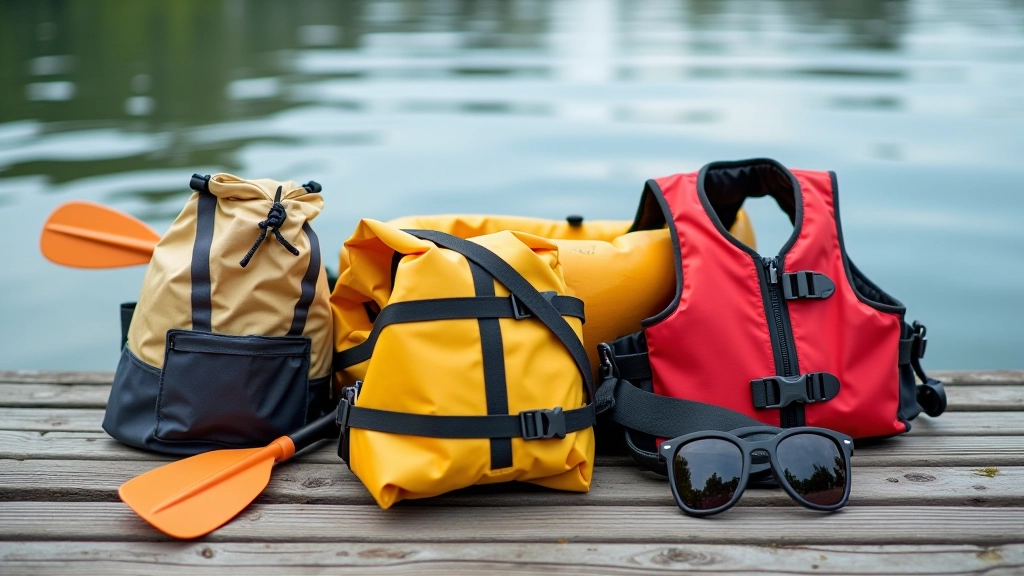
The checklist every paddler needs. Water, sun protection, emergency gear, and snacks that actually work on the river.
Read Guide