
Getting Started with River Kayaking
Written by
Written by the brixovia editorial team, focused on honest, practical guidance for river kayaking day trips.
Your First Paddle Starts Here
River kayaking looks simple until you're actually on the water. That's when you realize there's a real difference between sitting in a kayak and paddling one properly. The good news? You don't need years of experience to start. You just need to understand the basics — how to grip your paddle, how your body moves the boat, and what to do when things don't go as planned.
We'll walk you through everything. By the end of this guide, you'll know exactly what to expect on your first trip, what skills matter most, and how to build them safely. Whether you're paddling gentle rivers in Aukštaitija or exploring quieter sections elsewhere, these fundamentals work everywhere.
Understanding Your Paddle Grip
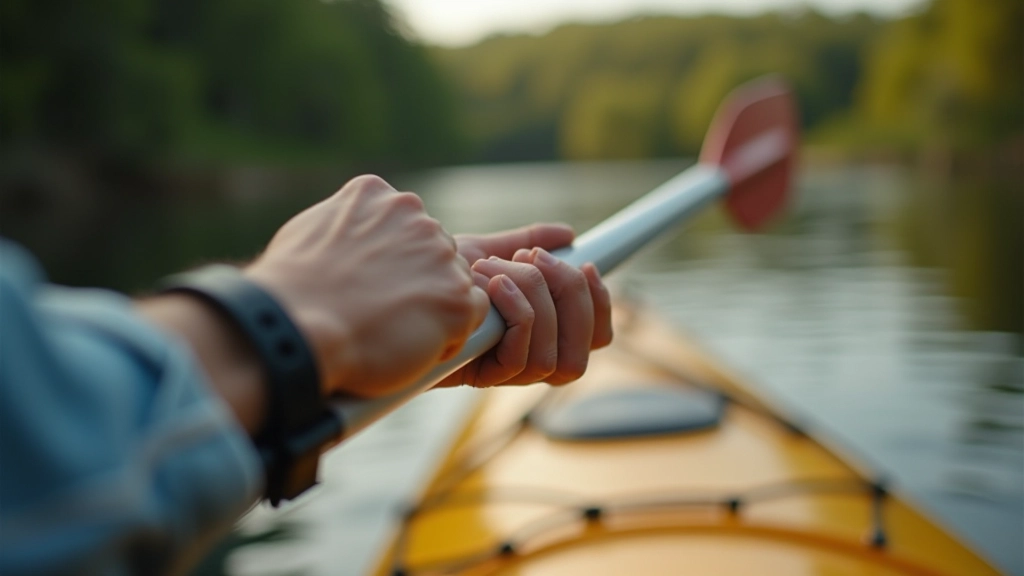
Your paddle is your connection to the water. Most beginners grip it way too tight. You want firm control, not a death grip. The paddle should feel like an extension of your arms, not something you're wrestling.
Here's what actually works: Hold the shaft with your hands roughly shoulder-width apart. Your grip should be relaxed — you're not trying to squeeze the paddle into submission. The key is that your wrists stay relatively straight throughout the stroke. When your wrists bend too much, you lose power and tire quickly.
Key Detail: Your hands should be about 24-28 inches apart on the shaft. Too close and you lose leverage. Too far apart and you can't control the paddle effectively.
The Forward Stroke — It's About Your Core
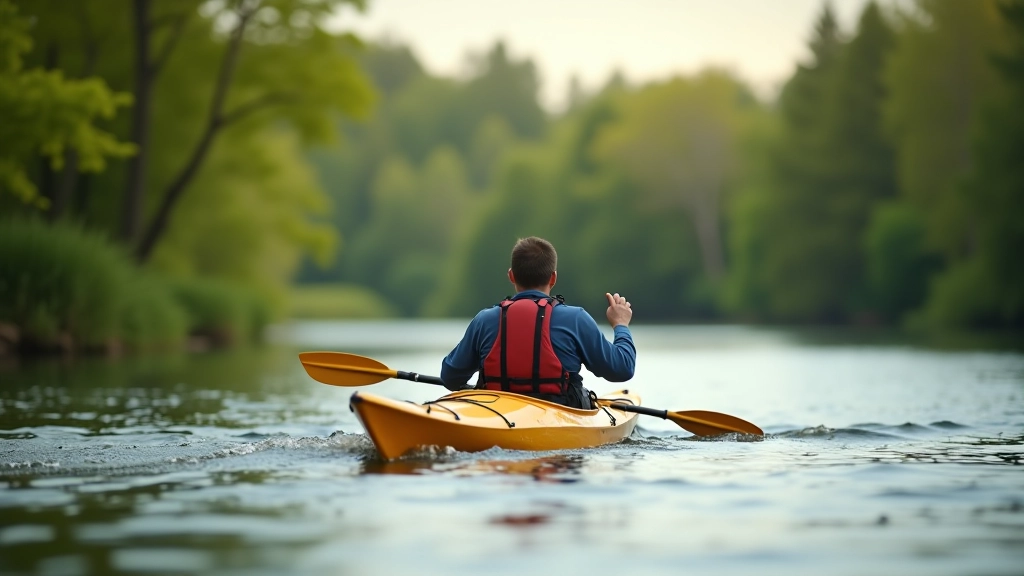
People think paddling is an arm movement. It's not. Your arms are just the connection. The real power comes from rotating your torso and using your core muscles. When you only use your arms, you'll be exhausted in 20 minutes.
The sequence matters. First, you rotate your shoulders toward the side where you're paddling. Then your core engages. Your arms stay relatively straight — they're not pulling hard, they're just positioning the paddle. The water does the work, and your core muscles are what move the water.
Practice This: Do 10 strokes thinking only about rotating your shoulders. Feel how your whole body moves? That's what you're aiming for. Arms are just passengers.
Steering and Turning Without Exhaustion
Gentle rivers don't have crazy current or obstacles. But you still need to steer. Most beginners do this wrong — they paddle harder on one side, which wastes energy and looks terrible.
A proper turn uses what's called a sweep stroke. You extend the paddle out to the side and sweep it in a wide arc away from the boat. The blade stays relatively flat on the water. This rotates your kayak without you muscling it. On calm rivers, you might not even need a full sweep — just a gentle angled stroke on one side and the boat naturally drifts that direction.
Braking is simpler. You just do reverse strokes — paddle backward. Three or four quick reverse strokes on calm water will slow you down significantly. On rivers with any current, those reverse strokes work even better.
Safety Fundamentals That Actually Matter
River safety isn't complicated. It's about preparation and awareness. Most accidents happen because someone wasn't ready or wasn't paying attention.
Wear Your Life Jacket
Not because rivers are dangerous. Because stuff happens. You'll tip over learning. Your paddle might slip. Something unexpected occurs. A good life jacket keeps you safe while you learn. Wear one every single time.
Know Your River
Scout the route beforehand if you can. Look for low-hanging branches, rocky sections, or places where water gets narrow. Aukštaitija rivers are mostly gentle, but knowing what's coming keeps you relaxed and confident.
Never Paddle Alone
Always have at least one other person with you. Someone who can help if you tip, who can go for help if needed, who can be a second set of eyes. It's not about being scared — it's about being smart.
Check Weather Before You Go
Rain upstream means current increases. Wind makes waves on rivers. Check the forecast and water levels. If conditions look off, there's always another day to paddle.
Getting Ready for Your First Trip
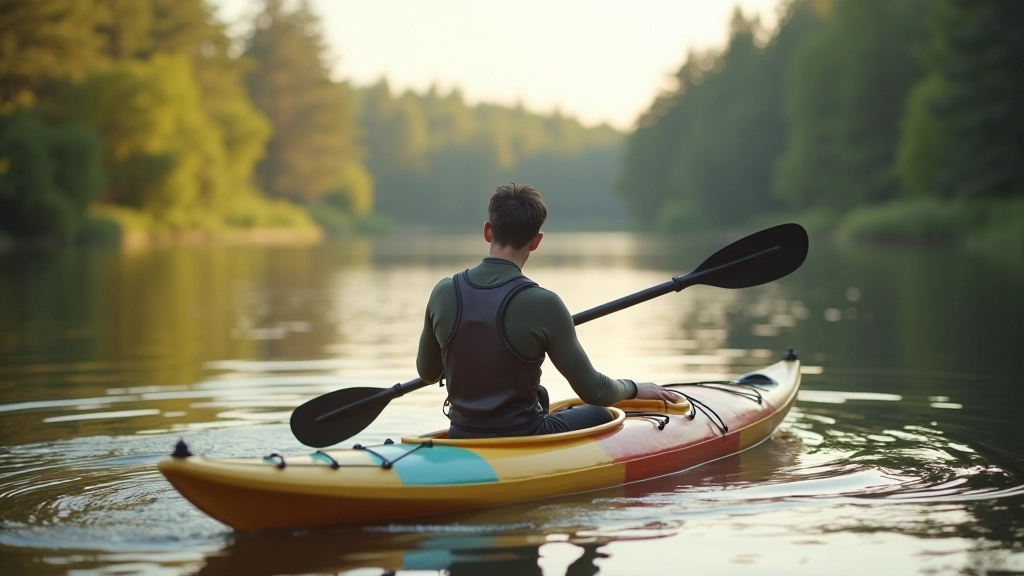
Before you even touch the water, make sure your kayak fits right. Your seat should be snug but not uncomfortable. Your feet should reach the pedals or footrest with a slight bend in your knees. If you're renting, ask the outfitter to adjust the seat position. Most beginners paddle boats that don't fit them properly, which makes everything harder.
Dress for the water temperature, not the air temperature. If water is cold, wear a wetsuit or drytop. If it's warm and you're okay getting wet, shorts and a rashguard work fine. Always wear water shoes — rocks hurt and slippery bottoms make launching harder.
Do a quick boat check. Make sure your paddle floats (a good backup paddle should float). Check that any storage hatches are sealed. Bring water and a snack. On a 3-hour trip, you'll want both. And bring a small first aid kit — nothing major, just bandages and antibiotic cream.
Your First Three Trips — What to Expect
Trip One: Getting Comfortable
You'll spend the first 30 minutes just adjusting. The boat feels tippy (it's not). Your paddle feels weird (it will). Everything feels slow and awkward. This is normal. By the end of the first hour, you'll stop thinking about mechanics and just paddle. That's when it gets fun.
Trip Two: Discovering Rhythm
Your second trip is where things click. You remember your grip. Your strokes feel more natural. You're probably paddling faster without trying harder. This is also when you might get overconfident. Don't. Stick to the plan. Paddling for 3-4 hours is different from 90 minutes.
Trip Three: Building Real Skills
By your third trip, you've got basics down. You can paddle efficiently. You understand how your boat responds. Now you can focus on things like reading water, understanding current flow, and paddling in slightly different conditions. You're officially past the beginner stage.
Start Small, Build Skills, Enjoy Rivers
River kayaking isn't complicated. It's actually pretty straightforward — you grip the paddle right, you rotate from your core, and you stay aware. The rest comes naturally. Most people overthink it before their first trip, then realize it's simpler than they expected.
Pick a gentle river section. Go with someone. Wear your life jacket. Practice the forward stroke. You'll be fine. Honestly, you'll probably be better than fine. You'll be hooked. Gentle rivers in Aukštaitija are perfect for this — they give you time to learn without pressure. Start there, build your skills, then explore whatever waters call to you.
Disclaimer
This guide is informational only. River conditions, weather, and personal ability vary widely. Before paddling, assess your own fitness level, swimming ability, and experience. Check local water conditions and weather forecasts. Always wear a life jacket. Consider taking lessons from qualified instructors in your area. Paddling involves inherent risks — understand them fully before heading out. This content doesn't replace proper training or professional instruction.
Continue Your Journey
Explore more guides to deepen your kayaking knowledge

Best Lakeside Picnic Stops
Five perfect spots along Aukštaitija routes where you can pull up, rest, and enjoy a meal without losing the river experience...
Read More
Paddle Techniques That Actually Work
Master the forward stroke, turning, and braking without exhausting yourself. Real techniques that reduce fatigue and improve control...
Read More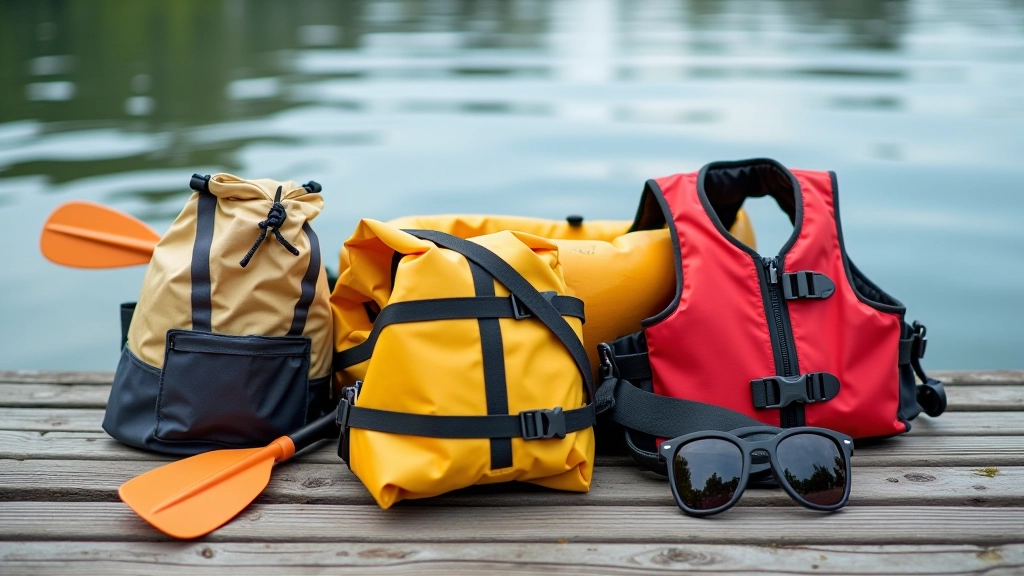
What to Pack for a Full Day Trip
The checklist every paddler needs. Water, sun protection, emergency gear, and snacks. Nothing you don't need. Everything you actually do...
Read More